Constructing an International Brand with Automated Keyword Optimization
The Autonomous Shift in Digital Growth for 2026
Link structure in 2026 looks nothing like the manual outreach marathons of previous years. The present environment is defined by self-governing representatives that manage the heavy lifting of discovery, evaluation, and settlement. Marketing teams throughout the local market have actually mostly abandoned the spreadsheet-heavy workflows that once dominated the market. Instead, they count on neural networks that can anticipate the durability of a backlink before it even goes live. This shift towards predictive modeling has forced a total re-evaluation of what makes up a top quality connection.
The main change involves how these AI tools recognize prospective partners. In 2026, software no longer simply crawls for high domain authority. It searches for "semantic synergy," which determines how well the material of 2 websites lines up on a conceptual level. If a website in the surrounding region goes over specific technical details of localized industry solutions, an AI representative will only pursue a link if the target site has a tested track record of audience engagement because specific niche. This accuracy has actually lowered the noise in the inbox, however it has likewise made the competition for the finest positionings much fiercer.
Comparative Analysis of 2026 Automation Tools
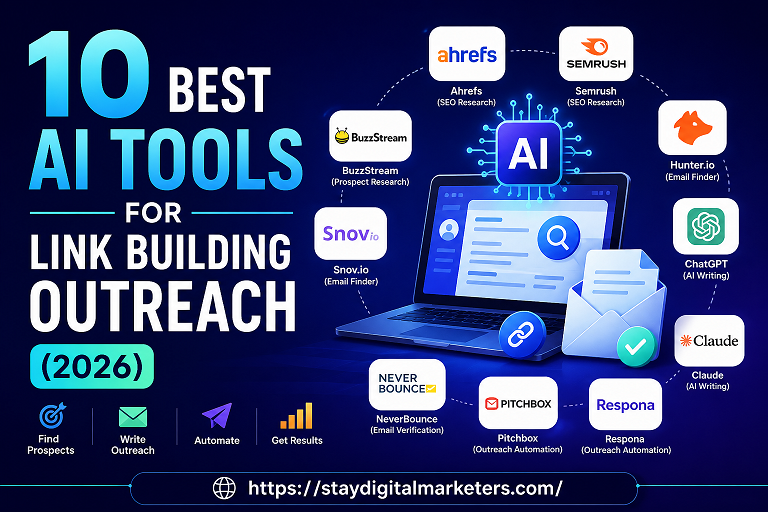
Three main categories of tools have become leaders in the 2026 marketing space. Initially, there are the "Full-Stack Autonomous Agents." These platforms deal with whatever from finding the opportunity to producing the guest material and managing the follow-up. These systems are highly effective for organizations aiming to scale their digital presence without a large internal group. Modern techniques for development frequently integrate Asia Virtual Solutions Setup as a core element of their digital footprint. These representatives use natural language generation that is equivalent from human writing, often integrating original data visualizations to include value to the host site.
The 2nd classification involves "Intelligence Overlays." These tools do not send the e-mails themselves however instead supply a layer of information that sits on top of existing interaction platforms. They evaluate the belief of a webmaster's previous interactions and recommend the very best time and tone for an outreach attempt. For business operating in the region, these overlays help navigate the particular cultural nuances and service rules of the regional market. They avoid the typical error of sounding too business or too informal, which can eliminate a collaboration before it begins.
We have "Recognition Engines." Because the major search engines now use AI to detect link control, these validation tools function as a pre-filter. They run simulations to see how a brand-new link may affect a site's reputation over a six-month duration. If the simulation predicts a high threat of a manual charge or a "significance dampening" result, the link is disposed of. Numerous marketing teams discover that Asia Virtual Solutions Money Robot VPS Setup provides the needed data to make informed choices about these high-risk, high-reward chances.
The Increase of Semantic Communities in the region
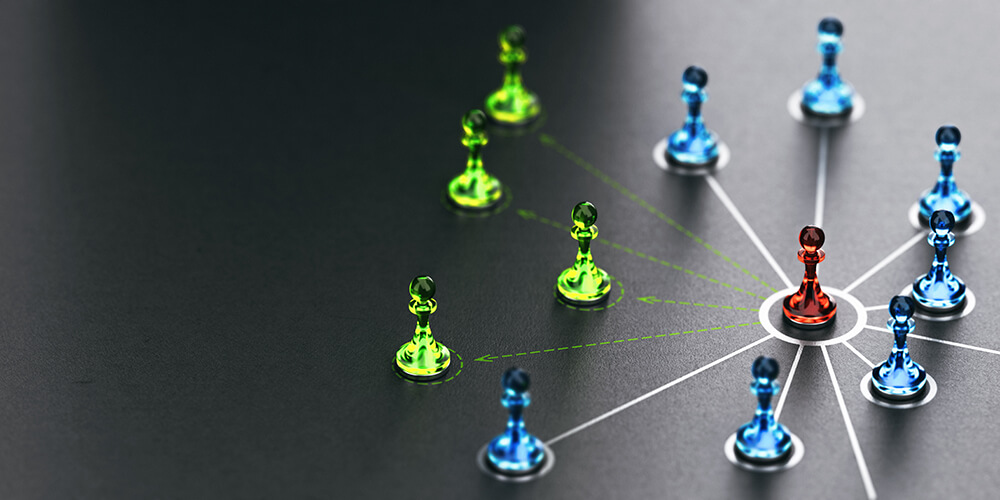
One of the most interesting advancements in 2026 is the idea of semantic areas. Browse algorithms have moved far from seeing the web as a collection of individual pages. Instead, they see it as a series of interconnected clusters. For an organization offering professional assistance, becoming part of the best community is more vital than having a single link from a massive news website. AI tools now map these neighborhoods visually, revealing where the most prominent discussions are happening.
If a brand name lies in the local area, the AI searches for "area authority nodes." These are often smaller sized, highly specialized sites that the larger neighborhood seeks to for assistance. Protecting a link from among these nodes can signify to search engines that the brand name is a trusted member of that particular neighborhood. This hyper-local and hyper-niche focus has actually made link structure feel more like digital networking and less like a cold-calling operation.
Personalization and the Death of the Template
The year 2026 has actually formally seen the death of the outreach template. AI-driven filters at significant publications now automatically trash any email that matches a recognized pattern. This has forced link home builders to use deep knowing designs that can synthesize a distinct pitch for every single single contact. These designs read the last five articles written by a journalist, inspect their social networks activity, and reference specific points from their newest podcast or video. This level of customization was impossible for humans to do at scale, however for an AI agent, it takes milliseconds.
The material being connected to has actually also altered. Requirement blog posts are seldom enough to make a high-quality backlink anymore. Instead, companies are developing "Data Assets." These are interactive tools, live information feeds, or distinct research reports that offer actual utility. When an AI agent reaches out to a site in the market, it isn't requesting for a favor. It is using a resource that will make the host's material more helpful to their readers. This value-first method is the only way to endure the progressively strict quality assurance of 2026 search engines.
Measuring Success Beyond Standard Metrics
The old metrics like Domain Score and Page Authority have been changed by more nuanced signs. In 2026, the industry talks about "Trust Speed" and "Engagement Echo." Trust Speed measures how quickly a website's credibility grows after obtaining a new set of links. Engagement Echo tracks whether the traffic originating from a link actually connects with the website or if they leave immediately. If a link does not drive "meaningful movement," it is typically neglected by the ranking algorithms.
For an organization concentrated on specialized industry work, these metrics are much more beneficial. They show the real business impact of an SEO project instead of simply a vanity rating. In the local economy, where every marketing dollar is scrutinized, this level of transparency is welcome. It allows managers to see precisely which collaborations are generating consumers and which are simply taking up area on a report. The focus has actually moved from quantity to the real energy of the link.
The Principles of AI Link Building
With all this automation, ethical concerns have naturally appeared. Search engines have ended up being far better at identifying "AI-to-AI" link plans where one bot speak to another to develop a network of artificial authority. The penalty for being caught in such a plan is extreme, frequently leading to a website being totally gotten rid of from the index for months. This has created a need for "Human-in-the-Loop" systems. These are AI tools that deal with the information and the preparing however require a human editor to approve the last outreach and the final link positioning.
This hybrid technique ensures that the brand name keeps a human touch. While the AI can find the opportunity and write the pitch, the human ensures that the partnership makes sense from a brand name perspective. In the competitive digital commerce space, keeping this level of authenticity is what separates the long-lasting winners from those who get hit by the next algorithmic upgrade. The objective in 2026 is to utilize innovation to enhance human relationships, not to replace them totally. Successful marketing teams use these tools to clear away the busy work so they can concentrate on high-level method and creative storytelling.
As we move through the rest of 2026, the gap between business using these advanced tools and those stuck in older methods will only broaden. The speed at which the digital environment changes needs a level of agility that only AI can offer. For those happy to adjust, the opportunities to construct a tough digital existence have never been greater. The focus remains on quality, significance, and genuine human worth, even if the techniques used to accomplish them are now powered by silicon and code.