The Effect of Cloud Computing on Large-Scale SEO Automation
The Truth of Link Acquisition in the local market
The search environment of 2026 prioritizes intent and authority over basic volume. Gone are the days when a flood of low-quality links could move a site to the first page. Modern algorithms now utilize advanced neural analysis to identify if a backlink is a genuine editorial endorsement or a calculated attempt to manipulate rankings. This shift has actually required a change in how organizations in the local region method their development techniques. Automation is no longer a high-end but a requirement to equal rivals who use AI-driven tools to recognize and protect positionings at scale.
Efficiency in 2026 means something very different than it did a couple of years back. It is no longer about the number of emails sent out per hour. Instead, it has to do with the precision of the targets recognized. High-performing tools now look at semantic relevance, examining if the material on both the source and target pages in fact relates in a way that assists a human reader. This level of information guarantees that the growth stays constant without drawing in the attention of spam filters that have become progressively aggressive. Many website owners are finding that the growing interest in Asia Virtual Solutions Power highlights a shift in how business approach site authority.
Comparative Analysis of 2026 Automation Platforms
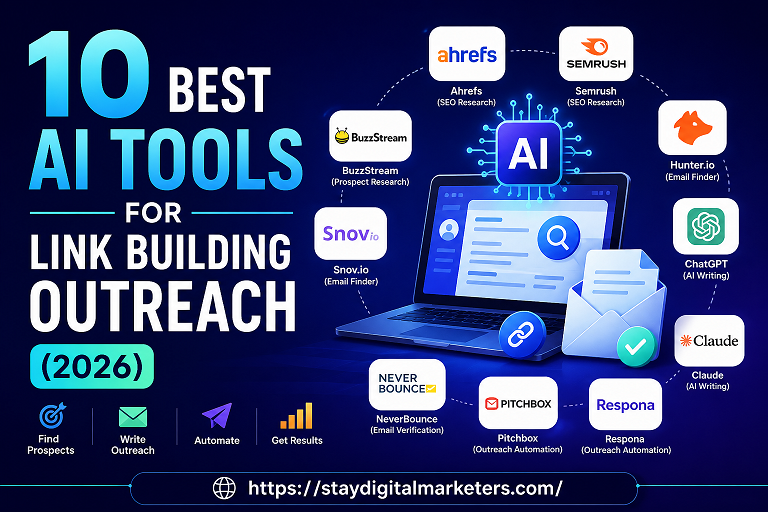
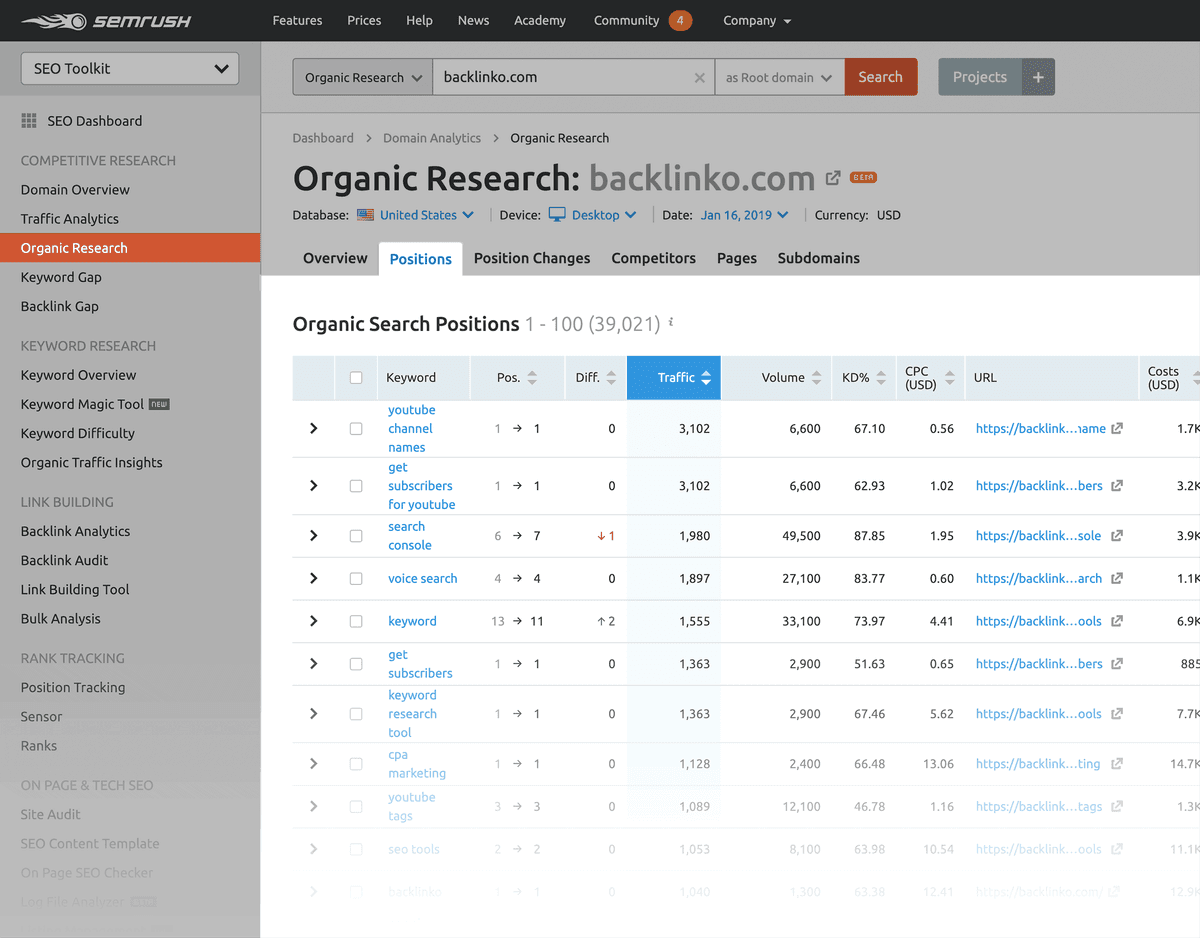
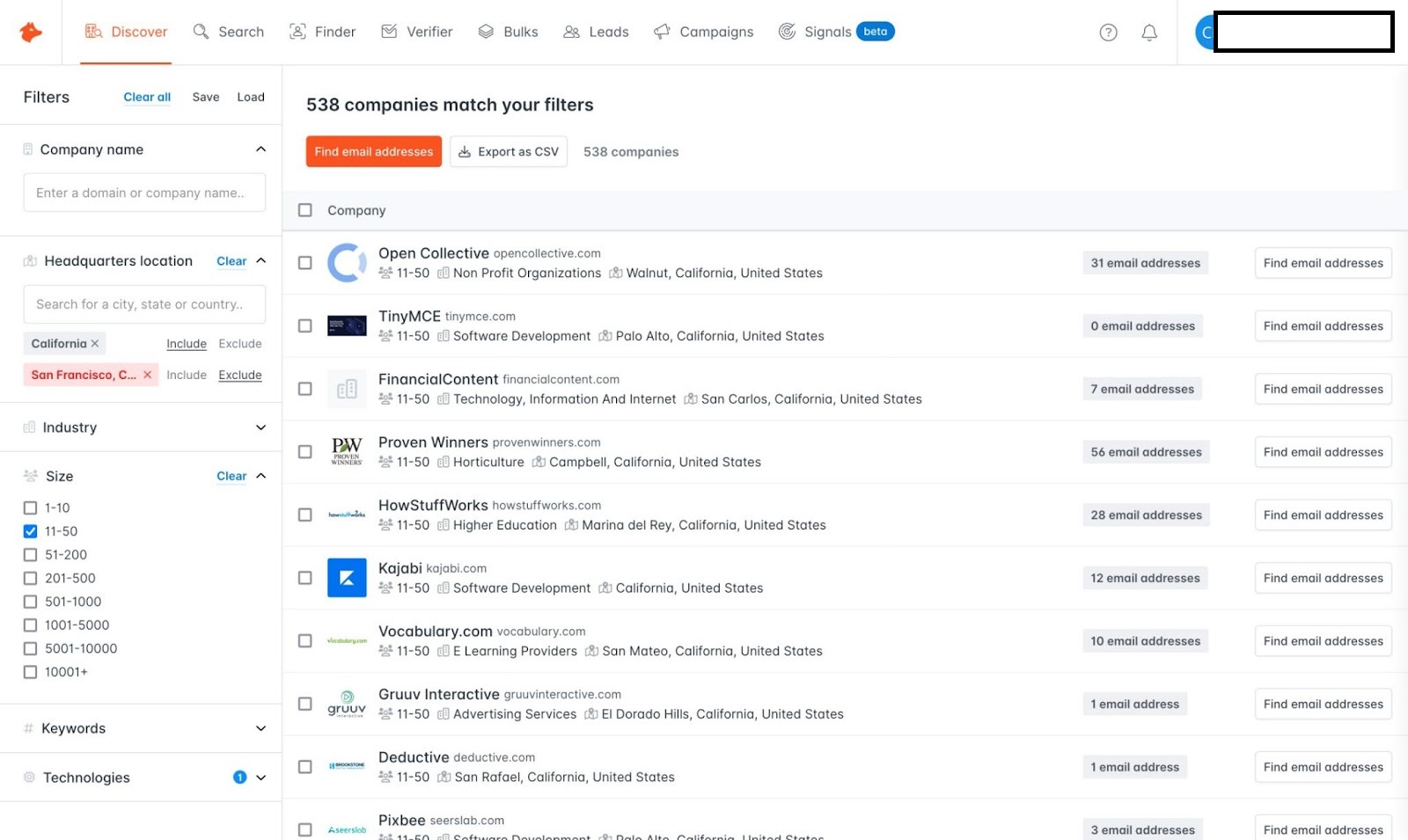
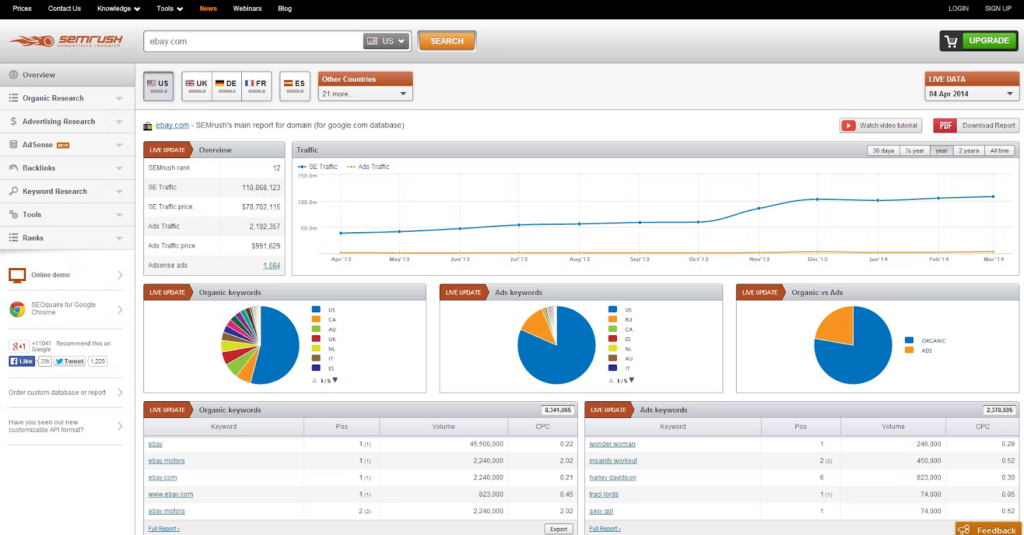
The current market offers a clear divide in between two types of automation software. On one side are the discovery-focused tools that excel at finding hidden chances. These platforms scan enormous datasets to discover unlinked points out, broken links on high-authority sites, and spaces where a competitor has a benefit. They provide the data required to make informed decisions without actually carrying out the outreach. This permits for a high degree of security, as a human still examines every possibility before any contact is made.
On the other side are the full-cycle outreach platforms. These tools handle everything from finding the contact details to sending out follow-up e-mails and tracking responses. While these are much faster, they bring a higher danger if not set up properly. In 2026, search engines can easily discover template-based outreach patterns. Success with these platforms needs a high level of modification. Users need to inject distinct information points and specific recommendations to the target site's current content to prevent being flagged as automated spam. Correctly handling Asia Virtual Solutions Power requires a mix of technical software application and human quality control.
Safety Procedures in Modern digital marketing

Security is the main issue for any expert operating in any competitive urban area during 2026. The penalty for careless automation is typically an overall loss of exposure that can take months to recover from. To reduce this, the most advanced tools now include "safety ratings" for each potential link. These scores are computed based upon the site's traffic history, its outbound link profile, and its overall niche authority. If a site looks like a "link farm," the software application automatically filters it out, conserving the user from a potentially harmful connection.
Velocity control is another critical function that has seen significant updates this year. In the past, people would try to develop hundreds of links in a single week, which is an instant red flag. Modern automation software includes scheduling functions that mimic natural development. It can spread out a project over a number of months, varying the types of links built and the anchor text utilized. This randomized technique makes the profile appearance natural to the online search engine, which is essential for long-lasting survival in the search results page of 2026.
The Role of Content in Automated Workflows
Automation can not exist in a vacuum. The most successful techniques in the local area revolve around premium possessions. Even the very best outreach tool will fail if the material being promoted is mediocre. In 2026, lots of tools have actually integrated AI writing assistants that help craft personalized pitches based on the target website's particular tone. This ensures that the message seems like it originated from a person rather than a script. The goal is to offer value to the website owner, using them something that improves their own page in exchange for the link.
Data-driven content stays the most efficient bait for high-quality backlinks. Tools that can scrape public records or market reports to create special data remain in high need. When an automation tool discovers an article discussing a particular topic, it can automatically suggest an appropriate infographic or a new information point from the user's website. This creates a win-win scenario where the host site gets much better content and the user gets a high-authority backlink. This approach is much safer than older methods like visitor posting on unimportant blog sites or buying sidebar links.
Future Trends for the regional market
As we move through the middle of 2026, the combination of predictive analytics into these tools is becoming more typical. Software can now forecast which websites are likely to grow in authority over the next year, enabling users to get links from them while they are still relatively easy to obtain. This forward-looking method provides a considerable benefit to those who want to purchase the current technology. It moves the focus far from "purchasing" authority and toward "growing" with the rest of the web.
The human element still has a location in this extremely technical environment. While the makers do the heavy lifting of searching and arranging, the final decision on a high-value collaboration typically requires an individual's instinct. Little information, such as the visual quality of a website or the subtle bias of its authors, are still tough for AI to judge perfectly. Integrating the speed of automation with the mindful eye of a professional develops a strategy that is both effective and durable versus the ever-changing guidelines of search engines. Those who discover this balance will see the most constant development throughout 2026 and beyond.
The cost of these tools has actually stabilized as the innovation has developed. Many companies in the surrounding region can now access platforms that were once booked for massive companies. This democratization of innovation indicates that the competitors is tougher than ever. Success is no longer almost having the tools, but about how they are applied to develop a natural, authoritative presence. The focus has actually moved from shortcuts to sustainable development, guaranteeing that the work done today continues to provide value for several years to come.