The Function of Machine Knowing in Identifying High-Quality Targets

Modern SEO Automation Shifts in the local market
Search engine optimization has actually moved past basic keyword tracking and manual metadata updates. In 2026, the focus has actually moved toward self-governing representatives that handle entire workflows without continuous human prompts. Companies now search for systems that can forecast algorithm changes before they take place. These tools do not just flag errors; they repair them in real-time by interacting directly with the website code and server setups. This shift represents a move from reactive maintenance to proactive growth.The current market for search engine optimization requires a deep understanding of how big language designs and search bots connect. Automation tools in 2026 have actually moved far from basic templates. They now use thinking models to figure out why a page is losing rank. For example, if a rival in the surrounding region updates their material with brand-new information, an autonomous SEO agent identifies the change, evaluates the brand-new information, and suggests a particular content refresh to maintain parity. This happens in hours rather than weeks.
Comparing Agentic SEO Workflows and Traditional Automation

Standard automation depended on "if-then" reasoning. If a 404 error appeared, the tool sent out an e-mail. In 2026, the standard is agentic SEO. These representatives operate like virtual employees. They keep track of search console information, determine patterns in traffic drops, and perform technical fixes. When assessing tools this year, the main differentiator is the level of autonomy the software possesses. Some platforms still need manual approval for each change, while others run on a "governance" design where they act within set boundaries.Many businesses now buy Asia Virtual Solutions Servers to keep exposure throughout fragmented search platforms. Unlike older systems, 2026 tools deal with multimodal search. They optimize for voice, image, and video all at once. When a user in your local area carries out a visual look for a product, the automation tool ensures the site's structured information and image properties are perfectly aligned with the newest visual recognition patterns. This level of information was difficult to manage by hand.
The Role of Generative Content Maintenance
Material decay is a significant problem for websites with thousands of pages. In 2026, automation tools have resolved this through continuous rejuvenating. Instead of rewording a whole article, the software determines particular sections which contain out-of-date facts or declining engagement metrics. It then generates updates that match the initial brand name voice while incorporating new information points from the current year. This keeps the content relevant without the need for an enormous editorial team.Efficiency in Asia Virtual Solutions Servers permits groups to focus on high-level technique instead of the minutiae of tag updates. The tools now incorporate with supply chain data and stock levels. If a product goes out of stock in a particular storage facility serving the region, the SEO automation tool can immediately deprioritize that item page in search outcomes or add a "inform me" schema. This avoids high bounce rates and enhances the user experience by lining up search results with real availability.
Technical SEO Tracking and Real-time Repairs
Technical debt frequently kills search rankings. In 2026, the most effective tools are those that live within the CI/CD pipeline. Whenever a developer presses a code change, the SEO automation tool runs a simulation to see how it affects crawl budget and page speed. If a new script slows down the website for users in the local market, the tool obstructs the implementation or suggests an optimized variation of the code. This avoids ranking drops before they ever occur.Log file analysis has also been fully automated. Tools now process countless lines of server logs to see precisely how search bots are behaving. They can identify when a bot is stuck in a crawl trap or when a specific area of the site is being ignored. By 2026, these tools offer a "health score" that is upgraded every minute. This enables services to see the instant effect of their technical modifications.
Relative Functions of 2026 SEO Suites
When comparing the top tools this year, a number of essential features stick out. Is the "Intent Mapping" ability. Older tools concentrated on keywords, but 2026 software application concentrates on the "why" behind a search. It categorizes queries into clusters like "investigative," "transactional," or "post-purchase assistance." This enables a lot more exact content targeting. Second is the combination with "Browse Generative Experiences." As search engines provide more direct responses, automation tools help sites appear as the cited source for those answers.Another significant function is the "Rival Shadowing" module. This isn't just about tracking their keywords. It's about tracking their site structure modifications, their backlink velocity, and even their server response times. If a rival brand name in the region begins gaining ground, the tool provides a gap analysis that shows exactly where they are winning. It may be that their mobile experience is somewhat quicker or their internal connecting is more logical. The tool then suggests a strategy to close that gap.
Human Oversight in an Automated World
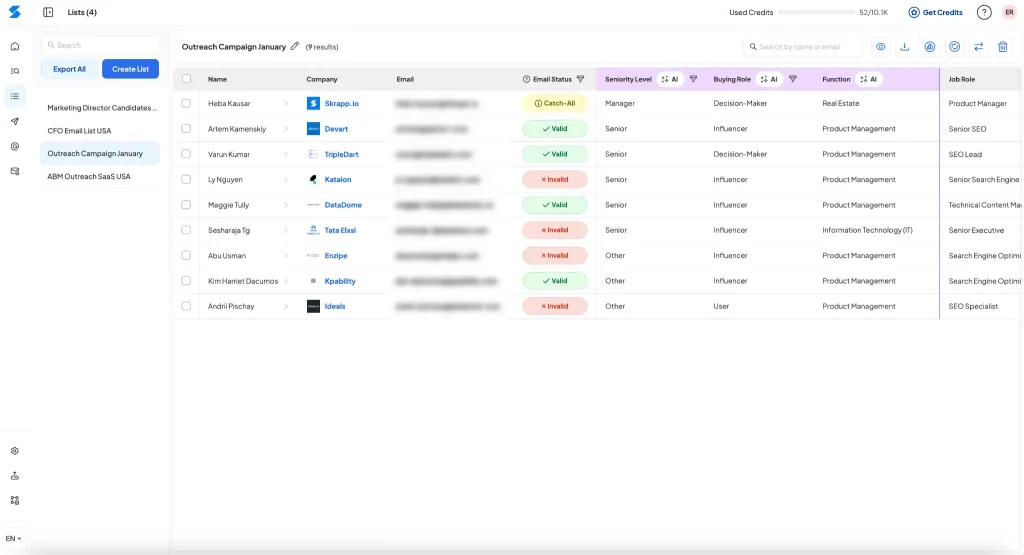
Regardless of the rise of autonomous representatives, the human element stays required for brand name positioning and ethical oversight. The tools are exceptional at following patterns, but they can often miss the nuance of a brand's distinct identity. In 2026, the job of an SEO specialist has actually changed from "doing" to "directing." They set the goals, define the ethical constraints, and examine the efficiency data created by the machines.This governance is especially important when it concerns link building. Automation can discover opportunities and even draft outreach e-mails, but humans still need to veterinarian the relationships. A tool might see a high-authority website as a great target, however a human might understand that the website has a controversial track record that doesn't line up with the brand name. In the local market, regional relationships still matter. A machine may not understand the cultural significance of a regional event or organization, however a local strategist will.
The Future of Search Management
The space in between large business and little companies in the area is narrowing because of these tools. High-level SEO abilities that used to need a huge company are now readily available through software subscriptions. This democratization of data implies that the quality of the actual product and services matters especially. If everybody has access to the same high-end automation, the winner is the one who offers one of the most worth to the end user.As we move through 2026, the focus will likely remain on speed and precision. Online search engine are getting smarter at discovering AI-generated fluff, so automation tools need to concentrate on creating high-utility content. The tools that are successful will be those that focus on the user's requirements over trying to "trick" an algorithm. The combination of SEO with other digital channels, like social commerce and direct-to-consumer messaging, will be the next step in this evolution.Navigating this new environment requires a determination to trust the software application while maintaining an important eye. The data shows that companies utilizing agentic SEO have actually seen a substantial reduction in manual work hours, allowing them to reinvest that time into imaginative marketing and product development. Whether it is a little store in the local market or an international corporation, the course to search success in 2026 is developed on a structure of smart, dependable automation.