What Most Marketing Agencies Get Wrong About Modern Automation
Modern SEO Automation Moves in the local market
Search engine optimization has actually moved previous simple keyword tracking and manual metadata updates. In 2026, the focus has actually moved toward self-governing agents that manage entire workflows without continuous human prompts. Companies now look for systems that can predict algorithm modifications before they take place. These tools do not just flag mistakes; they fix them in real-time by communicating straight with the website code and server configurations. This shift represents a relocation from reactive maintenance to proactive growth.The existing market for search engine optimization needs a deep understanding of how big language models and search bots communicate. Automation tools in 2026 have moved far from basic design templates. They now utilize thinking designs to determine why a page is losing rank. If a competitor in the surrounding region updates their material with brand-new information, a self-governing SEO agent discovers the modification, evaluates the new information, and suggests a particular material refresh to keep parity. This happens in hours instead of weeks.
Comparing Agentic SEO Workflows and Traditional Automation

Conventional automation depended on "if-then" logic. If a 404 mistake appeared, the tool sent an email. In 2026, the standard is agentic SEO. These representatives work like virtual employees. They keep an eye on search console data, identify patterns in traffic drops, and carry out technical repairs. When examining tools this year, the primary differentiator is the level of autonomy the software application possesses. Some platforms still need manual approval for each modification, while others operate on a "governance" model where they act within set boundaries.Many businesses now invest in Asia Virtual Solutions Features to keep exposure across fragmented search platforms. Unlike older systems, 2026 tools manage multimodal search. They optimize for voice, image, and video at the same time. When a user in your local area carries out a visual search for a product, the automation tool makes sure the site's structured data and image assets are completely aligned with the most current visual recognition patterns. This level of information was impossible to manage by hand.
The Function of Generative Material Upkeep
Material decay is a major problem for websites with countless pages. In 2026, automation tools have fixed this through constant revitalizing. Rather of rewording an entire blog site post, the software application determines particular areas which contain outdated realities or decreasing engagement metrics. It then creates updates that match the initial brand voice while incorporating new information points from the present year. This keeps the material relevant without the need for a massive editorial team.Efficiency in Asia Virtual Solutions Features allows groups to focus on high-level method rather than the minutiae of tag updates. The tools now integrate with supply chain information and inventory levels. If a product heads out of stock in a particular warehouse serving the region, the SEO automation tool can instantly deprioritize that item page in search outcomes or include a "notify me" schema. This avoids high bounce rates and enhances the user experience by aligning search results with actual availability.
Technical SEO Tracking and Real-time Fixes
Technical financial obligation typically eliminates search rankings. In 2026, the most effective tools are those that live within the CI/CD pipeline. Each time a designer pushes a code change, the SEO automation tool runs a simulation to see how it affects crawl budget plan and page speed. If a brand-new script decreases the site for users in the local market, the tool obstructs the release or recommends an enhanced variation of the code. This avoids ranking drops before they ever occur.Log file analysis has actually likewise been completely automated. Tools now process countless lines of server logs to see precisely how search bots are behaving. They can identify when a bot is stuck in a crawl trap or when a specific area of the site is being disregarded. By 2026, these tools provide a "health score" that is upgraded every minute. This allows organizations to see the instant effect of their technical modifications.
Comparative Features of 2026 SEO Suites
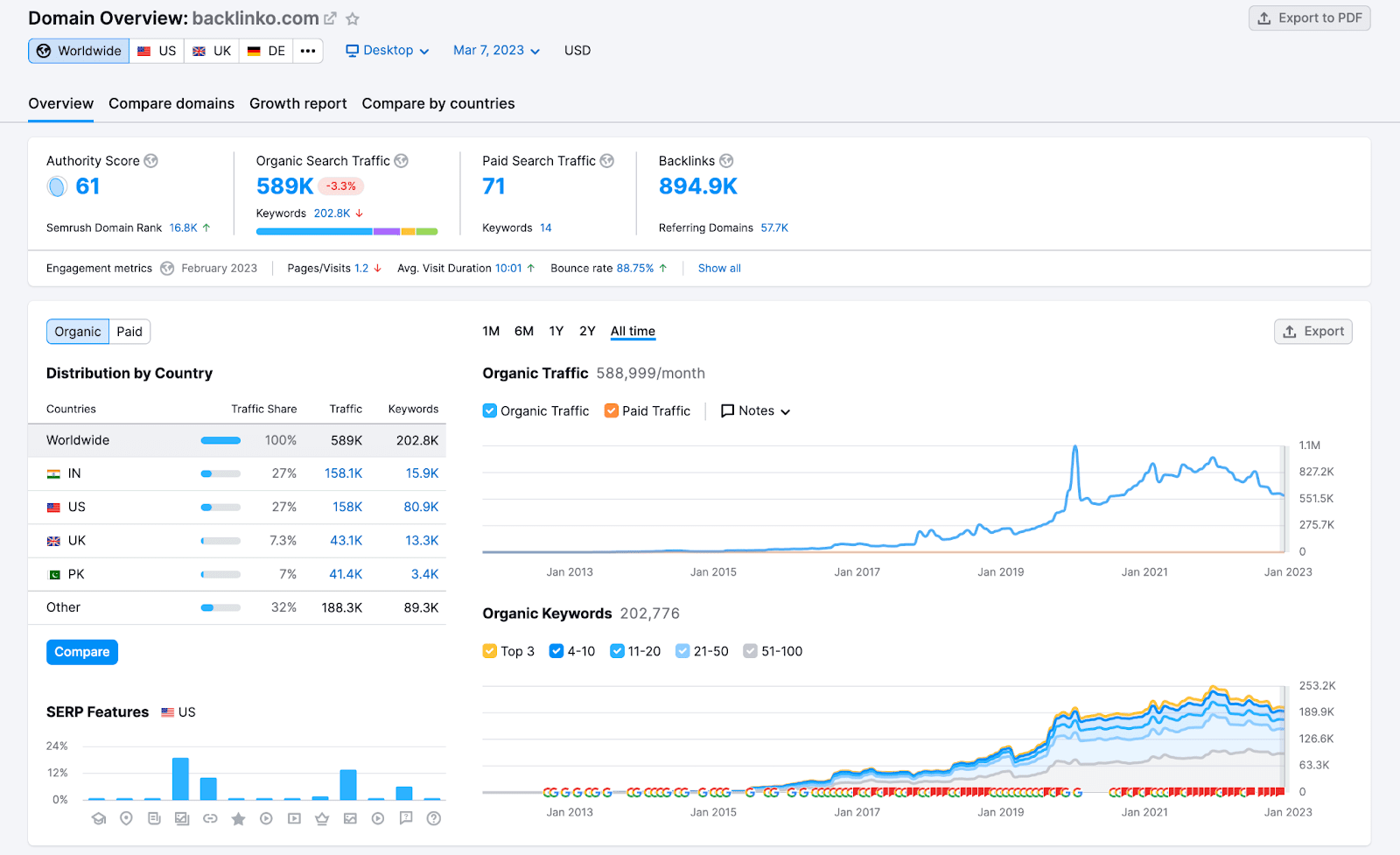
When comparing the top tools this year, a number of crucial features stand out. First is the "Intent Mapping" ability. Older tools focused on keywords, but 2026 software application concentrates on the "why" behind a search. It classifies queries into clusters like "investigative," "transactional," or "post-purchase support." This enables a lot more accurate content targeting. Second is the integration with "Search Generative Experiences." As search engines supply more direct answers, automation tools help sites look like the cited source for those answers.Another significant function is the "Rival Shadowing" module. This isn't practically tracking their keywords. It has to do with tracking their site structure modifications, their backlink velocity, and even their server response times. If a competing brand in the region starts picking up speed, the tool offers a gap analysis that reveals exactly where they are winning. It may be that their mobile experience is slightly faster or their internal linking is more rational. The tool then recommends a strategy to close that space.
Human Oversight in an Automated World
In spite of the increase of autonomous representatives, the human element remains needed for brand name positioning and ethical oversight. The tools are exceptional at following patterns, but they can in some cases miss the subtlety of a brand's special identity. In 2026, the task of an SEO expert has actually changed from "doing" to "directing." They set the goals, specify the ethical restrictions, and evaluate the performance data created by the machines.This governance is particularly essential when it comes to link structure. Automation can find chances and even draft outreach emails, however humans still require to veterinarian the relationships. A tool might see a high-authority website as a great target, however a human may know that the site has a controversial credibility that does not align with the brand name. In the local market, local relationships still matter. A machine might not comprehend the cultural significance of a local occasion or company, however a local strategist will.
The Future of Browse Management
The gap between big enterprises and small companies in the area is narrowing because of these tools. High-level SEO abilities that used to require a huge agency are now readily available through software memberships. This democratization of data indicates that the quality of the real services or product matters especially. If everybody has access to the exact same high-end automation, the winner is the one who provides one of the most value to the end user.As we move through 2026, the focus will likely remain on speed and precision. Online search engine are getting smarter at identifying AI-generated fluff, so automation tools should focus on generating high-utility material. The tools that prosper will be those that focus on the user's needs over attempting to "fool" an algorithm. The combination of SEO with other digital channels, like social commerce and direct-to-consumer messaging, will be the next action in this evolution.Navigating this brand-new environment requires a desire to rely on the software application while preserving a vital eye. The data reveals that business using agentic SEO have seen a significant reduction in manual labor hours, allowing them to reinvest that time into innovative marketing and item development. Whether it is a small store in the local market or a worldwide corporation, the path to browse success in 2026 is developed on a foundation of smart, trustworthy automation.